Leadership is often put to the test not when things are going well, but when things are stressful, there is conflict, or there is doubt. Leaders who are real don’t just care about results. They also protect people, build trust, and show empathy even when things are tough. These 12 moments show how being kind and calm can turn tough times into great lessons in leadership.
Putting People Before Profits
An intern spilled coffee on a client’s laptop during an important presentation. The client was very rude and embarrassed her in front of everyone. The leader made a brave choice by asking the client to leave instead of siding with them.
He said calmly, “You can replace the laptop, but you can’t replace respect.”
He then calmed the intern down, who thought she had lost everything. Instead, she came back, finished the presentation, and got a round of applause. Years later, she is in charge of her own team. That moment showed that being a leader is about more than just business; it’s about protecting people’s dignity.
Making Pressure Work Together
If you walked into a meeting with broken slides and rising anxiety, everything could have gone wrong. People were expecting criticism. Instead, a client was interested and asked thoughtful questions about the team’s ideas.

The meeting went from a presentation to a group project. The leader made room for others to speak by staying calm. The result wasn’t perfect; it was connection, which was better than expected.
Taking Responsibility for Mistakes Builds Trust
Fear of blame took over when the numbers didn’t add up. Instead of trying to hide the mistake, it was talked about openly and honestly.
The manager didn’t get mad; instead, he or she offered to help fix the problem together. What could have hurt credibility actually helped it. Being open and kind built trust that no report could ever do.
Calm leadership motivates teams.
It can be scary to lose an important team member in the middle of a project. The leader didn’t blame anyone and was honest about the situation instead of making it worse.
Instead of falling apart, the team got stronger. Members came up with solutions, shared the work, and made the project better than anyone thought it could be. Calm leadership didn’t just keep things moving forward; it also brought people together.
Fighting Quietly for Other People
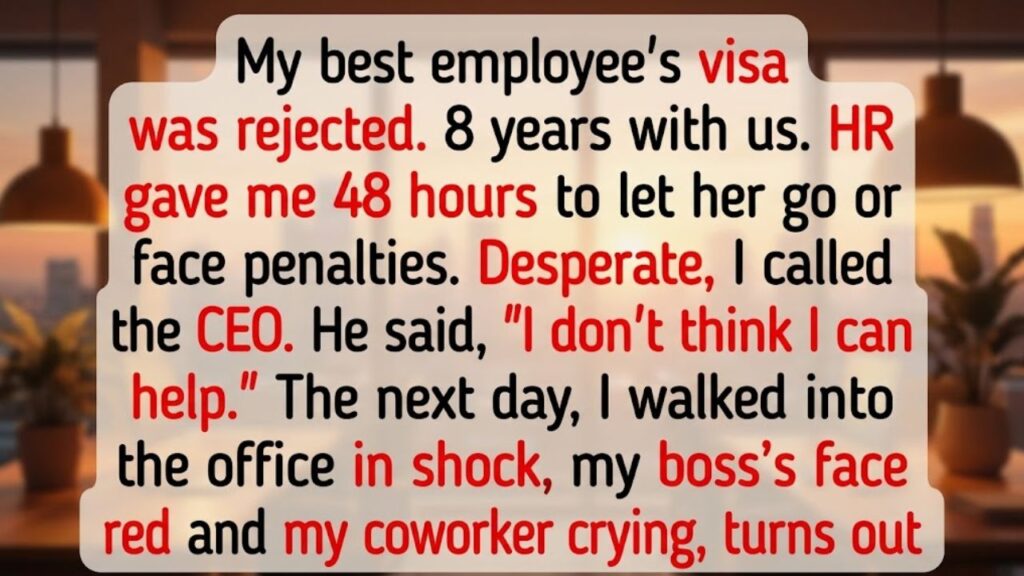
The situation became urgent when a loyal worker’s visa was suddenly denied. There were strict rules and not much time. The leader didn’t give up; instead, they fought quietly behind the scenes.
People tried to buy time and help her case without making any promises. Her visa was approved months later. She never forgot how hard people worked for her. Real leaders don’t always show their leadership; they often do things that change lives without saying a word.
Being Patient, Not Panicking
Anyone can feel overwhelmed when they get a lot of urgent emails again. The instinct is to act quickly and with feeling. Instead, a calm and organized approach was used, with careful thought given to what was most important and how to respond.
The outcome was clear, colleagues appreciated it, and the workflow was better. Being patient under pressure doesn’t slow things down; it speeds them up.

Choosing to Understand Instead of Blame
When someone blames you for missing a deadline, it can make you defensive. The leader chose to listen instead of getting angry.
A better workflow was made by focusing on solutions instead of blame. The fight turned into progress, and respect grew. Being a leader isn’t about showing who’s right; it’s about making things work better.
Dealing with conflict in a fair way
Two senior team members had a very heated argument about a project choice. It would have been easy to pick a side. Instead, both were told to talk freely and listen carefully.
As people started to understand each other, the tension went down. In the end, their ideas came together to make a better solution. Being a leader doesn’t mean being in charge; it means helping conversations move forward.
Making Trust Out of Failure
The software crashed without warning during a live demo. Everyone was watching, so panic could have set in.
Instead, the problem was calmly acknowledged, and the team moved on to a different plan. The client didn’t lose faith; instead, they liked the professionalism. Dealing with failure calmly often builds more trust than not dealing with it at all.
Helping Instead of Watching
When a boss came up unexpectedly while a task was late, stress set in right away. Instead of criticism, help was given.
The work got better quickly when they figured out what was causing the problem and gave them the tools they needed. Being a leader isn’t about finding mistakes; it’s about getting rid of things that get in the way of other people’s success.
How to Lead When You’re Disappointed
The team was disappointed when a long-time client turned down a proposal. The leader didn’t show anger; instead, they focused on feedback and learning.
The client gave us ideas that helped us do better work in the future. The team left feeling motivated, not defeated. Kind leadership turns problems into opportunities.
Making Peace in a Mess
At a heated board meeting, strong opinions quickly turned into loud voices. The leader didn’t make things worse; instead, they asked each person to calmly explain their point.
The change in tone made everything different. What started as a fight ended in a deal. Leadership doesn’t have to be loud; it just has to be steady.