In today’s fast-paced workplace, people often think of leadership as getting things done, meeting deadlines, and measuring performance. But the best leaders know that real success is about more than just numbers. It has to do with how they treat people, especially when things are hard or stressful. What makes a good leader is being kind, understanding, and calm under pressure. These traits not only help people trust each other, but they also motivate teams to do their best.
1. Putting Respect Above Results
12 Times Kindness Made a Difference, Not Noise
An intern spilled coffee on a client’s laptop during a high-stakes presentation. The client was rude to the young employee and yelled at them. The leader made a brave choice by asking the client to leave because of their bad behavior instead of siding with them.
The leader then told the intern that mistakes happen and that respect is more important than anything else. The same intern got her confidence back, finished the presentation, and got a round of applause. Years later, she became a leader. This moment showed that protecting dignity makes professionals stronger.

2. Making panic into teamwork
It would have been easy to fail if you walked into a presentation with technical problems and a nervous team. The leader, on the other hand, kept calm and open, which made room for discussion. A client’s question led to teamwork, which made the session a useful exchange of ideas.
3. Being honest about your mistakes
People were afraid of being blamed when numbers didn’t add up on a project. The employee didn’t try to hide the mistake; instead, he or she admitted it. Instead of criticizing, the manager offered help, which helped them work out the problem together.
This method built trust and showed that being kind and responsible makes you more credible, not less.
4. Leading with calmness through the unknown
When an important team member suddenly quit in the middle of a project, panic could have spread quickly. Instead, the leader talked about the problem honestly and didn’t blame anyone. The team was able to step up, work together, and find solutions because of this calm and respectful approach.
5. Small acts of loyalty that change lives
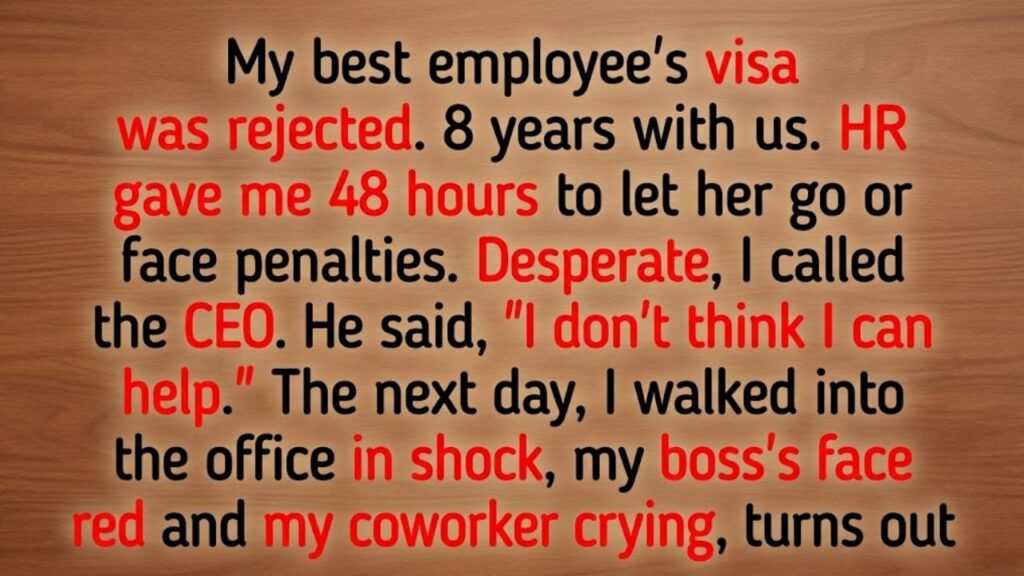
When a long-time employee was turned down for a visa, it looked like there was no hope. Even though they didn’t have much time and HR was putting pressure on them, the leadership quietly worked behind the scenes to help her case.
When her visa was finally approved months later, she was very grateful. This moment showed that real leadership often happens quietly, through actions that keep people safe and help them in the future.
6. Staying calm instead of panicking
Anyone can feel overwhelmed when they have a lot of urgent emails in their inbox. The leader didn’t act on impulse; instead, they stopped, thought about what was most important, and then responded.
The end result was clearer communication, more respect from coworkers, and a smoother workflow. This moment showed that being patient is often better than acting quickly.
7. Picking Solutions Instead of Blame
When someone blames you for missing a deadline, you may feel defensive. The leader, on the other hand, turned conflict into progress by calmly listening and looking for solutions.
The team worked together to make their workflow better, which stopped problems from happening again. This showed that being nice can ease tension and lead to better results.

8. Turning Conflict into Creativity
The team could have split up when two senior members fought over a project. The leader didn’t take sides; instead, they told both people to calmly explain their points of view.
This method led to a better combined solution, showing that being patient can turn conflict into new ideas.
9. Dealing with Failure with Grace
There were technical problems during a live demo that made the software crash. Instead of getting angry, the leader calmly recognized the problem and moved on to other possible solutions.
The client liked how professional the staff was, and the situation turned into a chance to build trust instead of a failure.
10. Giving help instead of putting pressure on someone
It could have been a stressful time when a manager checked in without warning. The talk, on the other hand, was about help and finding solutions.
The leader got better results and encouraged a culture of collaboration by giving help instead of criticism.
11. How to Grow from Rejection
The team thought they would be disappointed after a client turned down a proposal. The leader, on the other hand, showed empathy and interest and asked for feedback.
Instead of making the team feel bad, this made them want to learn from their mistakes.
12. Staying calm when things get heated
There was a lot of tension at the board meeting because of decisions about the budget. Instead of making things worse, the leader told everyone to stay calm and listen carefully.
This changed the tone of the conversation, which led to a compromise that made everyone happy. It showed that being a leader means guiding conversations, not taking over them.