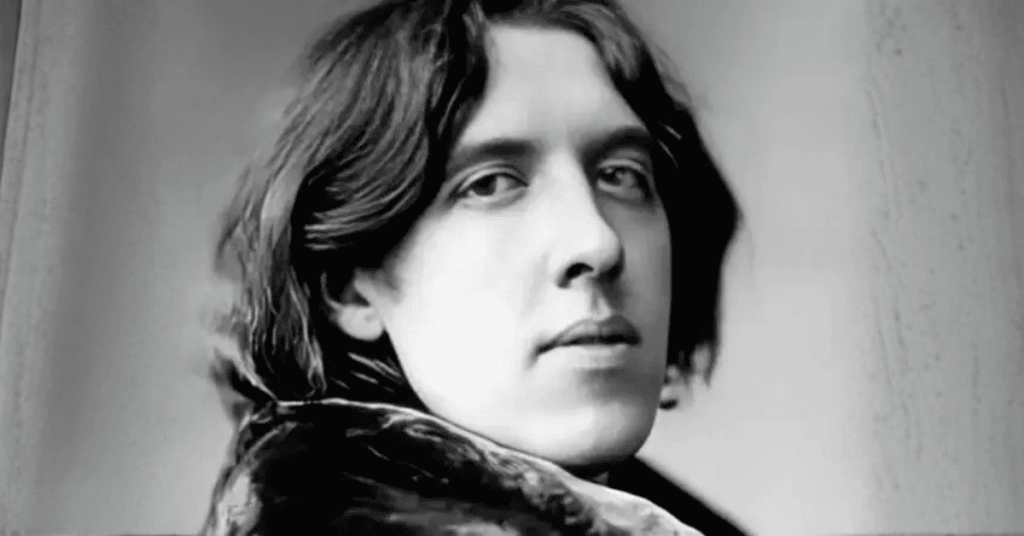
Oscar Wilde, one of the most influential literary voices of the 19th century, is widely remembered for his sharp wit, clever observations, and timeless epigrams. Among his many reflections on life, his quote about marriage continues to provoke thought even today: “Marriage is the triumph of imagination over intelligence. Second marriage is the triumph of hope over experience.” Though concise, this statement reveals deep insight into human relationships, blending humor with emotional truth.
Understanding the Meaning Behind the Quote
At first glance, Wilde’s remark may appear playful or even slightly cynical. However, it reflects a deeper understanding of how people approach love and commitment. When he describes first marriage as the “triumph of imagination over intelligence,” he highlights how individuals often enter relationships guided by idealism rather than logic.
In the early stages of love, people tend to see their partners through a romantic lens. They imagine a future filled with happiness, compatibility, and shared dreams. This imaginative perspective can overshadow practical considerations such as long-term compatibility, emotional maturity, or communication. Wilde subtly suggests that this reliance on imagination, while beautiful, can sometimes cloud rational judgment.

The Shift from Imagination to Experience
Marriage eventually moves beyond romance into reality. Over time, couples encounter challenges such as responsibilities, differences in values, and personal growth. These experiences reshape their understanding of relationships and love.
When Wilde refers to second marriage as the “triumph of hope over experience,” he introduces a different perspective. By this stage, individuals are no longer naive. They carry lessons, memories, and sometimes pain from past relationships. Despite this awareness, they choose to commit again.
This decision is driven by hope—the belief that things can improve, that past mistakes will not repeat, and that meaningful connection is still possible. Wilde captures the quiet courage it takes to believe in love again, even after experiencing its difficulties.
Wilde’s Wit: Humor with a Deeper Truth
Wilde’s brilliance lies in his ability to combine humor with truth. His statement is not merely a critique of marriage but an observation of its contradictions. Love involves both illusion and reality, dreams and responsibility.
His words reflect the resilience of human nature. Even after disappointment, people continue to seek companionship and emotional connection. This persistence is not foolish—it is deeply human.
Romantic Idealism vs. Practical Reality
The contrast Wilde presents—imagination versus intelligence, hope versus experience—mirrors a broader tension in relationships. Romantic idealism brings excitement, passion, and emotional depth. It encourages people to take risks and open themselves to love.
At the same time, practical reality requires effort, understanding, and compromise. Healthy relationships depend on communication, patience, and mutual respect.

Wilde does not argue that one side is superior. Instead, he highlights the importance of balance. Too much idealism can lead to disappointment, while too much practicality can strip relationships of warmth and spontaneity.
Why the Quote Still Resonates Today
Despite being written over a century ago, Wilde’s observation remains relevant. Human relationships have evolved, but the emotional patterns remain the same. People still fall in love, face challenges, and sometimes begin again.
In a modern world where conversations about relationships are more open, Wilde’s words continue to resonate. They capture the delicate balance between learning from the past and maintaining hope for the future.
A Reflection on Human Resilience
At its core, this quote is not just about marriage—it is about resilience. It reflects the human ability to keep believing in love despite setbacks. Choosing to love again is not a sign of weakness but of strength.
Wilde’s insight reminds us that hope is a powerful force. Even when experience teaches caution, hope encourages us to try again, to trust again, and to imagine a better future.
Conclusion: A Timeless Insight into Love and Life
Oscar Wilde’s perspective on marriage continues to inspire reflection because it captures the complexity of human emotions. Love is neither entirely rational nor purely imaginative—it exists somewhere in between.
His words encourage us to examine how we approach relationships, how we grow from experience, and how we preserve hope. Ultimately, Wilde reminds us that love, with all its contradictions, remains one of the most meaningful aspects of human life.