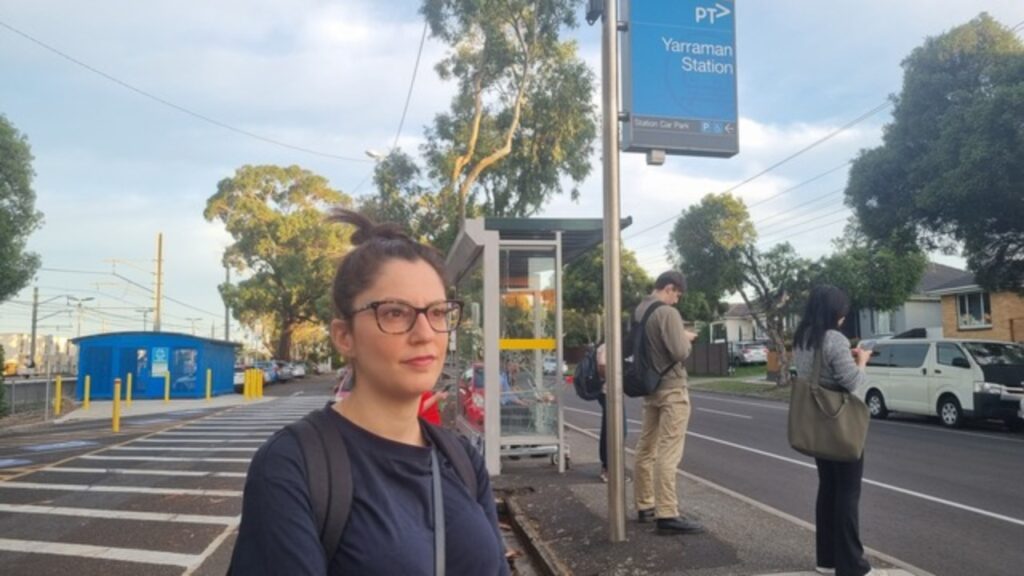
On , 20 April 2026, thousands of daily commuters experienced major inconvenience after train services on several important metropolitan lines were suspended. The disruption came on the second day of the state government’s month-long free public transport program. Although the initiative was introduced to reduce financial pressure caused by rising fuel costs, the sudden breakdown in services left many passengers frustrated and delayed during the busy morning rush.
Fault and Vandalism Bring Services to a Halt
The problems began early in the morning when an equipment fault near Westall forced train services between Oakleigh and Dandenong to stop. At first, the issue was believed to be purely technical. However, officials later confirmed that vandalism near Yarraman station had also played a role in the disruption.
The Department of Transport and Planning released an alert shortly before 6:00 AM, informing passengers that replacement buses would run between the affected stations. Even with those arrangements in place, delays continued for several hours. Although some train services resumed at Dandenong around 9:41 AM, the disruption had already caused significant inconvenience across the network.

Long Queues and Overcrowded Replacement Buses
The sudden suspension of train services created long lines and serious crowding at multiple stations. Dandenong became one of the most heavily affected locations, where large numbers of city-bound passengers struggled to find available transport.
Replacement buses quickly filled beyond capacity, forcing many commuters to wait much longer than expected. At smaller stations such as Yarraman, passengers reportedly waited for up to 20 minutes, only to find that arriving buses were already full. As buses continued through stops like Noble Park, Springvale, and Westall, the situation became even more difficult as additional travellers tried to board.
This situation clearly showed how difficult it can be for alternative transport systems to manage sudden peak-hour disruptions, especially when demand rises without warning.
Lack of On-Site Information Adds to Frustration
Many commuters said the lack of clear communication made the disruption even worse. Several passengers claimed that no Metro Trains staff were present at stations to explain what was happening or guide travellers toward replacement services.
Because of this, some people stayed on platforms without realising that buses had replaced trains. Others depended on radio announcements from the department, which suggested that commuters consider other options, such as driving to Glen Waverley station or using services on the Frankston line to avoid heavy queues.
The absence of direct and visible communication at stations increased confusion and added to the stress of an already difficult commute.
Free Public Transport Initiative Draws Mixed Reactions
The disruption took place during the early phase of the government’s month-long free public transport initiative. The program was launched to help residents deal with the impact of rising fuel costs while also encouraging more people to use public transport.
While many commuters have welcomed the scheme, the service problems have also raised concerns about whether the transport network can handle the added demand effectively.
Maria, a regular commuter from Yarraman, said she supported the initiative but admitted that overcrowding had already become a challenge. She explained that train services were heavily packed on the first evening of the free travel period.
“The service was really packed. So it’s going to be more of a hassle getting a seat,” she said.
Even so, Maria still viewed the initiative in a positive light.
“I think it’s a good incentive to everyone. Everyone would benefit from having additional funds in their pocket,” she added.

At the same time, she pointed out that service reliability has remained a recurring issue, mentioning that she had faced similar disruptions several times in recent months.
Commuters Weigh Alternatives Amid Ongoing Issues
Another passenger, Georgina, also expressed support for the free transport policy, describing it as the right decision for people dealing with rising living costs. Still, she was disappointed by the absence of prior warning about the disruption.
“I checked the PTV app last night, and there were no disruptions announced,” she said.
After waiting between 10 and 15 minutes without useful updates or access to a bus, she became increasingly worried about how long her trip into the city would take.
“It’ll probably take me two hours to get to the city,” she said.
The experience even pushed her to rethink her long-term commuting options.
“I’m thinking of buying a car, but with the fuel crisis, I’m trying to figure out whether it’s better to buy one or get public transport,” she explained.
Her comments reflect the wider uncertainty many commuters face as they try to balance affordability with reliability.
Impact Extends to Regional Services
The disruption did not affect only metropolitan passengers. V/Line travellers were also impacted, with coaches replacing trains between East Pakenham and Southern Cross.
Although some parts of the rail network continued to run, including services between East Pakenham, Cranbourne, and Dandenong, as well as between Oakleigh and Flinders Street, these limited operations did little to reduce overcrowding or ease the pressure on affected commuters.
Conclusion
The events of 20 April 2026 highlight the difficulties involved in managing a large public transport system during periods of sudden and increased demand. While the free transport initiative offers clear financial relief and has been appreciated by many residents, it also places added pressure on infrastructure, operations, and service reliability.
For passengers, the disruption reinforced the need for timely communication, better contingency planning, and consistent service delivery. As the initiative continues throughout the month, transport authorities may need to respond quickly to these concerns so that the benefits of free travel are not overshadowed by operational failures.
In the end, the real success of the program will depend not only on making travel more affordable, but also on ensuring that the network remains reliable, efficient, and capable of serving the thousands of people who depend on it every day.