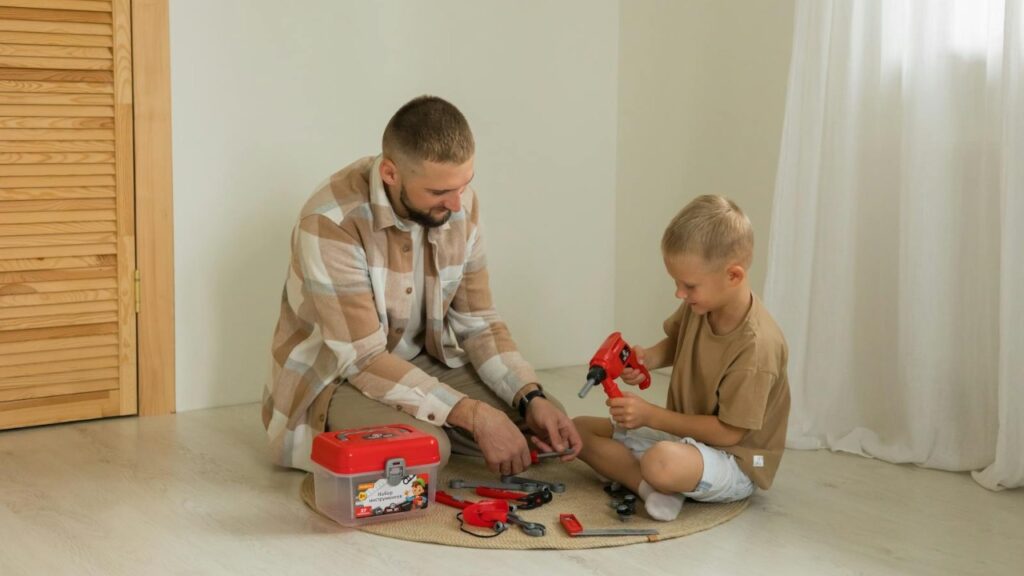
We all know someone who seems universally liked. They are kind, dependable, and easy to be around.They remember important dates, offer help without hesitation, and rarely create conflict. From the outside,they appear socially successful.And yet, despite being appreciated by many, they often lack deep, meaningful friendships.
or agreeable, people may appreciate you, but they do not fully see you.
The “Helpful Friend” Trap
Many people unconsciously step into the role of the reliable helper in relationships. They become the one others
turn to for advice, emotional support, or practical help. At first, this feels rewarding. Being needed can create a strong sense of purpose and belonging.
When Being “Easy” Makes You Invisible
There is a version of niceness that comes from not wanting to be a burden. You go along with plans, hide yourdisagreements, and adjust yourself to keep everything smooth.

You become agreeable, adaptable, and low-maintenance. But over time, this comes at a cost. People may enjoy yourpresence, yet they never really know you. Your preferences, opinions, and emotions stay hidden. In trying not to take up space, you slowly become invisible.
The Illusion of Self-Sufficiency
Another common pattern is presenting yourself as someone who always has everything under control.You do not ask for help. You rarely admit when you are struggling. You position yourself as the strong,
dependable one.
While this may earn admiration, it also creates emotional distance. Genuine connection is built through mutual exchange.When you never express needs, you remove the chance for others to care for you. Without that exchange,relationships stay surface-level. You may be respected and admired — but not deeply connected.
Talking Deep Without Being Personal
Some people maintain emotional distance through intellectual conversations. They talk about psychology,philosophy, relationships, or life goals. These discussions can feel rich and meaningful.
But sometimes they act as a shield.
It is often easier to analyze emotions than to reveal your own. Safer to discuss relationships in theory than toshare your real experiences. This creates the illusion of depth without true vulnerability. You may have many stimulating conversations and still feel completely unseen.
The Hidden Cost of Being Unknowable
The long-term cost of always being “nice” and self-contained is disconnection. You might have many acquaintances or even a large social circle, but still lack someone you can truly rely on
during difficult moments.
Over time, this can reinforce limiting beliefs such as:

- “I should not need help.”
- “My problems are not important.”
- “I have to earn connection by being useful.”
These beliefs keep the cycle going: you give more, reveal less, and feel increasingly isolated.
Breaking the Pattern
Deeper connection begins with small, intentional changes. It means allowing yourself to be seen,
even when it feels uncomfortable.
- Share when you are having a difficult day
- Express your preferences honestly
- Ask for help, even when you could manage alone
- Admit uncertainty instead of always having the answer
At first, this may feel unnatural or even wrong. You may worry about being seen as difficult or needy.But in reality, you are making room for authentic relationships.
The Courage to Be Known
Real connection is not built on perfection or usefulness. It is built on honesty. When you allow others to see your imperfections, struggles, and needs, you give them a chance to connect with
the real you.
Not everyone will respond positively. Some people may prefer the version of you that was always easy, helpful, and undemanding.
But the people who stay will know you for who you truly are — not just for what you provide.
Rethinking Niceness
Niceness itself is not the problem. Kindness, empathy, and reliability are valuable qualities. The problem begins when niceness becomes a form of protection — when it is used to avoid vulnerability and hide your true self.
A version of you that never asks for anything may be easy to like, but it is hard to truly connect with.