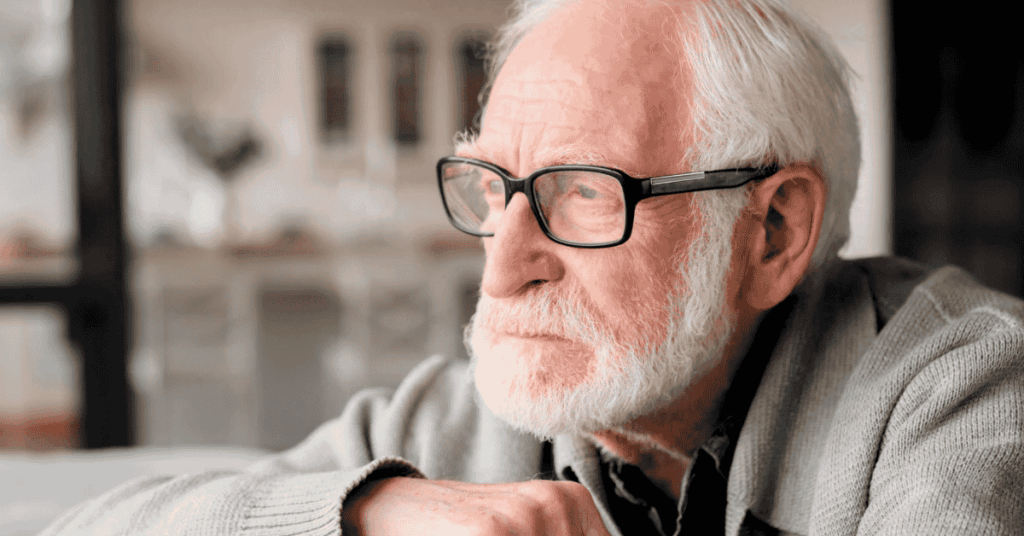
There is a subtle but profound change that occurs in many men after retirement. It’s not always obvious, but it is deeply felt. Men who once communicated with confidence and purpose may begin to retreat into silence. They are still present—at family gatherings, in conversations, and in daily routines—but something essential seems to have faded.
While many assume this silence is just part of adapting to a slower pace of life, psychology suggests something more profound is happening. This quietness is often not about having nothing to say, but about losing the identity that once defined them.
Table of Contents
- When Identity Is Built on Work
- The Impact of Retirement on Self-Identity
- The Loss of Social Connection
- Why Silence Becomes the Default Response
- The Emotional Reality Behind the Silence
- What Helps: Rebuilding Purpose and Identity
- Beyond Hobbies: The Importance of Meaningful Roles
- The Role of Family and Society
- Conclusion
When Identity Is Built on Work
For many men, particularly older generations, identity was not something explored internally. Instead, it was constructed externally—through work, responsibility, and productivity. From a young age, men were taught that their worth came from what they could provide and endure.

In this framework, being a man meant proving oneself through effort and achievement. Career, income, and professional roles became more than just life components—they became the bedrock of their identity. Over time, the line between “what I do” and “who I am” became blurred.
Psychological research, such as the concept of “gender role strain” by Joseph Pleck, reveals how rigid masculinity expectations create emotional pressure. Men are often expected to be strong, self-reliant, and productive, which can limit emotional expression and personal exploration.
The Impact of Retirement on Self-Identity
Retirement removes a crucial pillar of identity for many men. The job that once structured their day, defined their role in society, and provided them with purpose is suddenly gone. This transition is not just a practical one—it’s a deeply psychological change.
Researchers call this “occupational identity loss.” When a person’s self-worth is tied to their profession, stepping away from that role can feel like losing a part of themselves. The question “What do you do?” becomes difficult to answer, taking away the recognition and value once attached to the role.
Studies show that many individuals face an identity crisis during retirement. Without work’s structure and validation, they struggle to redefine their purpose.
The Loss of Social Connection
Work provides more than just a paycheck—it also creates a social structure. Daily interactions with colleagues, shared routines, and casual conversations form a substantial part of one’s social life.
For many men, these workplace connections are activity-based rather than emotionally intimate. Conversations often center on tasks, shared experiences, or light banter, rather than deep personal discussions. These relationships, though meaningful, may not offer the emotional support needed outside of work.
Retirement, however, can erase this social network overnight. Without the workplace as a meeting point, many men find their opportunities for connection drastically reduced. Research shows that men are more likely than women to experience shrinking social circles as they age, which increases the risk of loneliness.
Why Silence Becomes the Default Response
One of the toughest aspects of this transition is that many men struggle to express their emotions. Traditional masculinity norms discourage emotional openness. Seeking help, discussing vulnerability, or admitting uncertainty can feel uncomfortable or even unacceptable.
Instead of vocalizing their feelings, many men internalize them. Silence becomes a coping mechanism. It’s not that they have nothing to say, but rather that they’ve never learned how to express it.
Long-term studies on men’s emotional lives indicate that their support networks weaken as they age. Many men report having no one to turn to when facing personal problems, making it even harder to cope with major life changes like retirement.

The Emotional Reality Behind the Silence
The silence in many retired men is often misunderstood. It isn’t necessarily a sign of contentment or peace. Instead, it reflects a complex mix of emotions:
- Loss of purpose
- Reduced self-worth
- Social isolation
- Uncertainty about the future
These feelings are often unspoken, yet deeply felt. The lack of conversation doesn’t imply a lack of thought—it often signals the opposite.
What Helps: Rebuilding Purpose and Identity
Research on successful retirement adjustment shows that a key factor is developing a new sense of purpose. While work once provided this purpose automatically, it now needs to be created deliberately.
Men who adjust well to retirement often find new roles that allow them to feel useful. These roles might include:
- Volunteering in the community
- Mentoring younger individuals
- Teaching or sharing skills
- Engaging in meaningful group activities
What matters is not just staying busy, but feeling needed. Activities that provide a sense of contribution tend to be more fulfilling than those that only serve to pass the time.
Beyond Hobbies: The Importance of Meaningful Roles
While hobbies can be enjoyable, they often don’t replace the sense of identity that work once provided. For many men, the key to emotional well-being lies in finding roles that answer a deeper question: “What am I here for now?”
This shift from productivity to purpose is crucial. It allows individuals to rebuild their identities in a way that isn’t tied solely to employment but recognizes their broader value as a person.
The Role of Family and Society
Families often notice changes in behavior but may not fully understand the cause. The silence can be misinterpreted as withdrawal or disinterest, when it is actually a sign of internal struggle.
Open communication can help. Asking thoughtful questions, showing genuine interest, and providing a safe space for expression can make a difference. Sometimes, what a retired man needs most is not advice, but the opportunity to be heard.
Conclusion
The quietness seen in many retired men is not merely a matter of habit or personality. It often results from a lifetime of building an identity around work, followed by the abrupt loss of that defining role.
Understanding this shift is crucial to supporting those navigating this transition. Retirement is not just the end of a career—it marks the beginning of a new phase of self-discovery.
With the right support and perspective, this phase can become one of personal growth rather than loss. The silence is not the end—it’s a sign that something deeper needs to be understood and rebuilt.