For a generation of men, love was often defined by actions rather than words. They were taught that their role as fathers was fulfilled through hard work, providing for their families, and ensuring their safety. Love, in this framework, was not something to be expressed verbally—it was something to be demonstrated through action.
However, their children grew up in a different world, one where emotional presence, vulnerability, and verbal affirmation became the new standards for love. This shift created a disconnect, with many spending years in therapy to understand that providing and loving aren’t the same thing. The story became simple: emotionally distant fathers, wounded children, and adults trying to heal.
But over time—often in middle age—that story starts to feel incomplete.
Table of Contents
- The Generational Gap in Understanding Love
- The Unwritten Rules of Masculinity
- What Therapy Reveals, and What It Misses
- Love Expressed in Action, Not Words
- The Shift That Comes with Maturity
- Embracing Two Realities at Once
- Rethinking Forgiveness and Healing
- Bridging the Gap Between Generations
- A Fuller Understanding of Love
The Generational Gap in Understanding Love
It’s tempting to simplify the past: one generation failed, the next one fixed it. But the reality is far messier.
The emotional distance between fathers and their adult children didn’t appear overnight. It was born out of two generations speaking entirely different emotional languages. One believed love was shown through responsibility and sacrifice, while the other learned to recognize love through emotional openness and communication.
Each side, in its own way, felt unheard. What one generation saw as emotional absence, the other saw as a form of love that wasn’t easily recognized or understood.
The Unwritten Rules of Masculinity
For many fathers, particularly in the past, there was an unspoken rule: provide for your family, ensure safety, and maintain stability. In return, your love was understood, even if it wasn’t verbally expressed.
Emotional expression wasn’t part of the agreement. Vulnerability was often discouraged. Instead, care was demonstrated through long hours of work, providing financial security, and maintaining a steady presence.
This wasn’t necessarily a personal failure on their part—it was the environment they were shaped in. Family dynamics traditionally revolved more around duty than emotional connection. Showing up and fulfilling responsibilities was seen as the greatest act of love.
What Therapy Reveals, and What It Misses
Therapy has been instrumental in helping many individuals identify and name their emotional gaps. It provides the language for what was missing in their upbringing, helping people process their pain and begin healing.
However, therapy often focuses on the individual’s experience, asking, “What did you lack?” and “How did this affect you?” While these questions are critical for healing, they don’t always capture the full scope of the story.
At some point, it’s important to recognize that many fathers, within the constraints they lived under, were expressing love in the only way they knew how. They didn’t replace love with provision—they translated love into actions.
Love Expressed in Action, Not Words
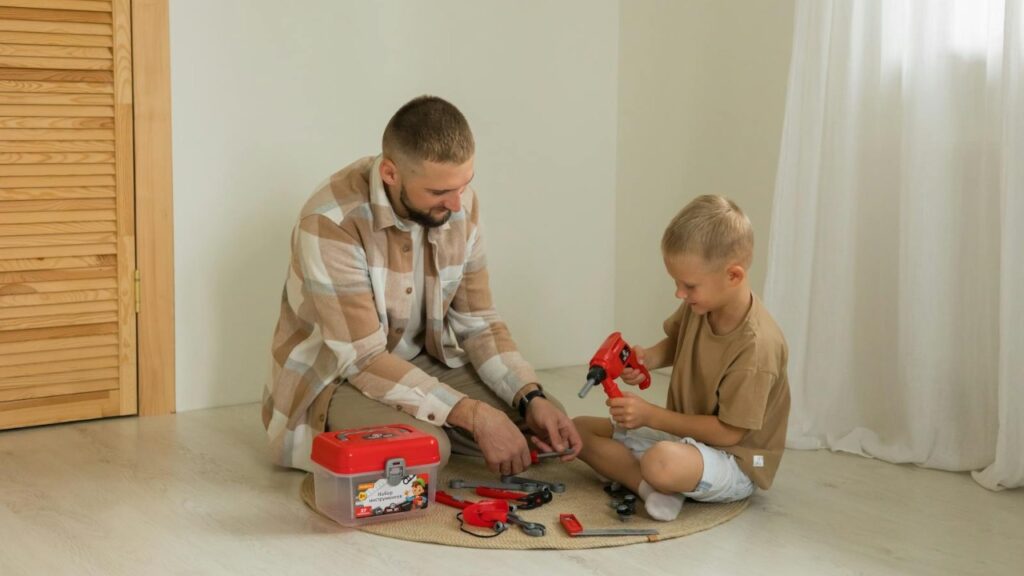
For many fathers, love wasn’t about verbal expression; it was about doing. It was about making sure the car was in good condition, fixing things around the house, ensuring there was enough money for the family, and being there when needed.
To children raised in a different emotional environment, these actions may seem neutral or even invisible. They didn’t fit the expected modes of affection. But these actions were a language—a language of love made up of consistency, responsibility, and care.
The disconnect wasn’t about a lack of love; it was a failure to recognize the way love was being expressed.
The Shift That Comes with Maturity
Understanding often comes later in life, sometimes in middle age.
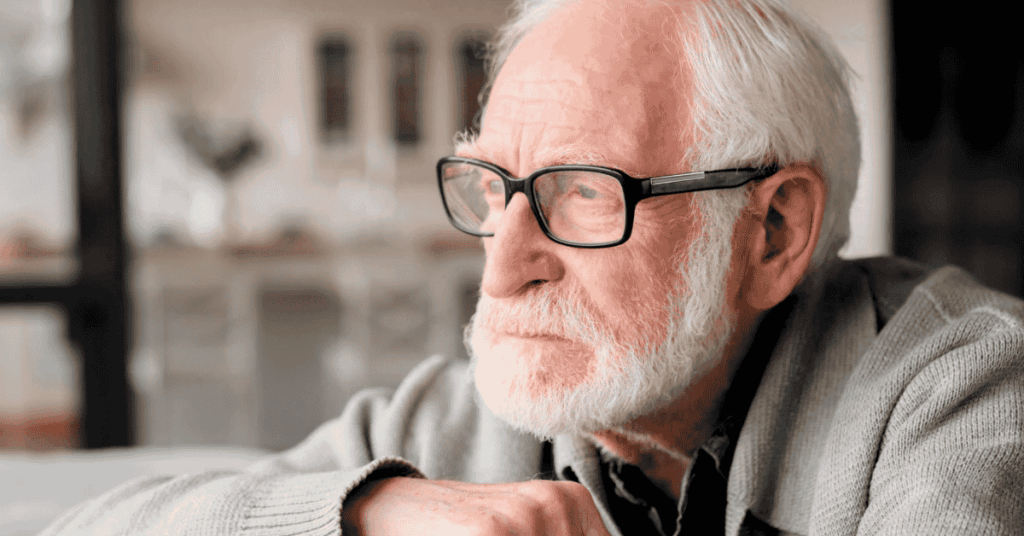
This realization may happen quietly—through watching your father age, noticing his limitations, and observing small habits that once seemed insignificant. It might come through reflection, when the anger or disappointment fades enough to see the structure beneath it.
As you grow older, you begin to see your father not just as a parent but as a person—someone shaped by his own upbringing, fears, and limitations. Someone who may have wanted to express more but didn’t have the tools or the language to do so.

This realization doesn’t erase past gaps. But it changes how you view them.
Embracing Two Realities at Once
One of the most challenging but essential insights is this: two truths can coexist.
You may not have received the emotional connection you needed. And your father may have given you everything he knew how to give.
These truths don’t cancel each other out. They coexist. Recognizing this requires a broader perspective—one that moves beyond a simple narrative of right and wrong and embraces something more complex, more human.
Rethinking Forgiveness and Healing
Forgiveness, in this context, isn’t about excusing past behavior or denying the pain caused. It’s about understanding the full picture.
It’s about seeing your father not just as a role he played, but as a person who had his own struggles, limitations, and desires. This shift is subtle, and it doesn’t change the past. But it softens the edges and introduces nuance.
Forgiveness often changes how you show up in your own relationships, making it possible to offer understanding where you once only felt hurt.
Becoming the Bridge Between Generations
As you age, you may find yourself standing in a unique position—bridging two emotional worlds.
You inherit your father’s discipline, reliability, and sense of responsibility. But you also learn the emotional language of openness, vulnerability, and clarity.
Your opportunity isn’t to choose one over the other but to integrate both. You take the actions—consistency, responsibility, quiet care—and combine them with what was missing: emotional clarity, presence, and words.
By doing so, you become a bridge between generations, combining the best of both worlds.
A Fuller Understanding of Love
The story of love across generations evolves. At first, therapy helps identify what was missing. Later, you begin to see what was there all along.
Providing and loving aren’t the same thing. But for many fathers, they were inseparable. In their world, providing was the way love was shown.
Understanding this doesn’t erase the past but reframes it. The most meaningful outcome is no longer waiting for a perfect resolution. Instead, you move forward with both truths: the love you needed and the love you received, building something fuller from them.
Sometimes, the most profound realization is that your father loved you the whole time—just in a way you hadn’t learned to understand.